
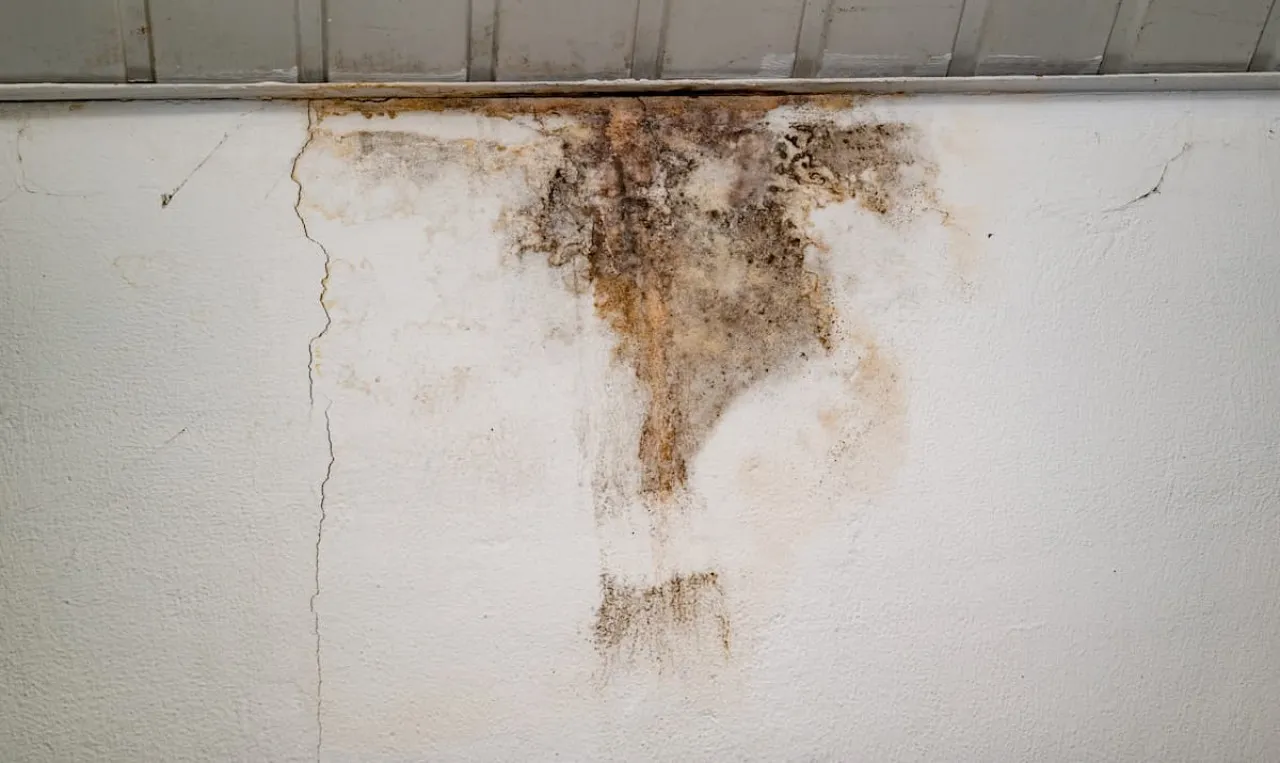
Have you ever noticed strange spots on the wall that spread over time and give off a musty odor? Many people experience this without realizing that it is an early sign of mold growing due to damp wall conditions. This problem can occur in any house and, if left untreated, often causes health problems.
Therefore, it is essential to recognize the different types of wall mold and the most effective methods to clean them. Let's take a closer look at this article.
Types of Wall Mold
Wall mold can appear in homes when the wall surface is damp or poorly ventilated. Each type of mold has different characteristics and levels of risk. Here are some types you should know about:
1. Aspergillus
Aspergillus is one of the most common types of mold found in homes. It appears as thick, round patches and comes in a variety of colors. This mold can cause allergies, respiratory issues, and lung infections. Some species produce aflatoxins, which are carcinogenic.
2. Alternaria
Alternaria is a type of mold characterized by a soft texture and a dark green or brown color. This mold easily grows in bathrooms, kitchens, or areas with leaks. Alternaria can trigger allergies and asthma, so it needs to be dealt with early on.
3. Aureobasidium
Aureobasidium usually grows behind paint, on wood surfaces, or on wallpaper. This fungus can change color over time from pink to black. Contact with it can cause skin irritation and allergies in people living in the house.
4. Penicillium
Penicillium is easily recognized by its blue, green, or yellow color and suede-like texture. This type of wall mold usually grows in damp areas such as carpets, wallpaper, insulation, or damp walls. Although Penicillium is known as the basis for antibiotics, it can cause respiratory problems, sinusitis, and even shortness of breath when it spreads quickly.
5. Fusarium
Fusarium is a type of mold that can easily trigger allergies and irritate the respiratory system. This fungus typically grows in damp and cooler areas, especially in corners of rooms that are rarely exposed to light.
It is often seen as yellow and can spread quickly. If you find these yellow spots on bathroom walls or other wet areas, clean them thoroughly immediately to prevent health problems for the occupants.
6. Stachybotrys Chartarum
Stachybotrys is known as a toxic black fungus. It is colored dark green or black with a slimy texture. This fungus only grows in damp areas, usually on wood-based materials.
Additionally, Stachybotrys can produce mycotoxins that can cause health problems, such as shortness of breath, sinusitis, fatigue, nosebleeds, and even neurological disorders. Children are particularly vulnerable to this fungus.
Read also: 15 Roaster Wall Fence Designs, Minimalist and Modern!
7. Chaetomium
Chaetomium is often found on walls that have been damaged by water. This fungus is a type of wall mold with a cottony texture and a musty odor. Exposure to it can cause skin and nail irritation. Under certain conditions, Chaetomium can produce mycotoxins that harm the immune system. This fungus usually appears on leaky roofs, in basements, and in areas with damaged pipes.
8. Cladosporium
Cladosporium can grow in both warm and cold temperatures. This fungus is often found on wood, carpets, fabrics, and old furniture. It is usually dark green, brown, or black. Exposure to it can cause eye, nose, and skin irritation, asthma, and even lung infections.
9. Ulocladium
Ulocladium is a type of wall mold that grows in areas that have been flooded or severely damaged by water. This mold easily appears on floors and walls that have been damp for long periods.
10. Serpula Lacrymans
Serpula more often attacks wood, but can also appear on walls adjacent to damp wood. It is yellowish in color and looks like water stains. This fungus causes dry rot in wood and can damage building structures.
11. Acremonium
Acremonium is a type of wall mold that grows from small damp spots and then turns into a fine powder. It is generally colored pink, white, gray, or orange. This mold often appears around air conditioners, drain pans, and window seals.
Exposure to this mold is harmful to internal organs and the immune system. Some types are even carcinogenic and can cause brain disorders. Acremonium often appears alongside Stachybotrys mold.
12. Trichoderma
Trichoderma has several subspecies and usually appears as small greenish-white spots. It grows rapidly and can form a thick, wool-like layer. This type of wall mold is often found on wallpaper, carpets, damp fabrics, and around air conditioners that are prone to condensation. Exposure to it can trigger allergies and sinus infections.
13. Geotrichum
Geotrichum is a type of wall mold that typically appears as a white, flour-like layer. This mold thrives on damp walls and in temperate climates. Geotrichum spores can spread through the air and cause symptoms such as itchy eyes, fatigue, and prolonged headaches. In some cases, exposure to this mold has also been linked to lung problems, including infections and symptoms similar to tuberculosis.
14. Mucor
Mucor is a white or gray fungus that often appears as thick patches. This fungus grows rapidly, especially in damp areas such as wet carpets or walls near air conditioning areas.
Exposure to this mold can trigger respiratory problems, including asthma, dyspnea, fever, and sinus infections. In severe cases, this mold can also attack the lungs, nose, eyes, and even other organs. If the growth has spread, treatment by a professional is highly recommended.
Read also: How to Create an Aesthetic Industrial Wall & Design Ideas
Tips for Removing Wall Mold
If you have encountered various types of wall mold, the next step is to clean it safely and effectively. Here are some methods you can try to get rid of mold in your home:
1. Clean with Soapy Water
A solution of warm water and a little dish soap can help clean light mold. Apply it with a soft sponge, scrub gently, then rinse thoroughly. After that, dry it with a rag so that no moisture remains.
2. Use Mold Cleaner
For types of wall mold that are difficult to remove, use a ready-to-use mold cleaning liquid. Follow the instructions on the packaging, spray it on the moldy area, let it sit for a while, then brush it clean. Be sure to wear gloves and a mask when using chemical products like this.
3. Use Baking Soda
Baking soda can help remove wall mold quickly. To use it, simply mix baking soda with cold water, then apply it to the wall using a dry rag. After the mold is removed, rinse the area with clean water.
4. Clean with Vinegar Solution
Vinegar can also be used to clean mold. All you need to do is prepare a small container of vinegar, then use an old toothbrush to scrub the moldy walls with the vinegar solution. Once clean, be sure to wipe the walls with a cloth to remove any remaining vinegar.
5. Use Laundry Bleach
Laundry bleach can also be used to clean mold on walls. All you need to do is mix laundry bleach with water, then gently rub it onto the moldy area. Scrub the moldy area until it is clean, then rinse it again. This method is suitable for persistent mold.
6. Address the Source of Moisture
Mold will return if the building's humidity is not controlled. Therefore, ensure the room has adequate air circulation, repair any leaks, and maintain damp areas, such as bathrooms, to prevent moisture buildup.
Mold issues on walls can arise at any time, especially when the house is in a damp condition. By understanding the various types of wall mold and how to remove them, you can ensure the walls are clean and safe through early prevention. This process can begin by selecting building materials that are resistant to water seepage.
Semen Merah Putih Watershield features its water-repellent technology, which provides dual protection against water seepage from the outside, inside, or the ground. Its formula is ideal for foundations, concrete slabs, castings, and plastering, delivering stronger results than regular cement.
Semen Merah Putih is ready to support every stage of construction with premium quality. Contact us for more detailed product information and find the best solution for your mold-free building.